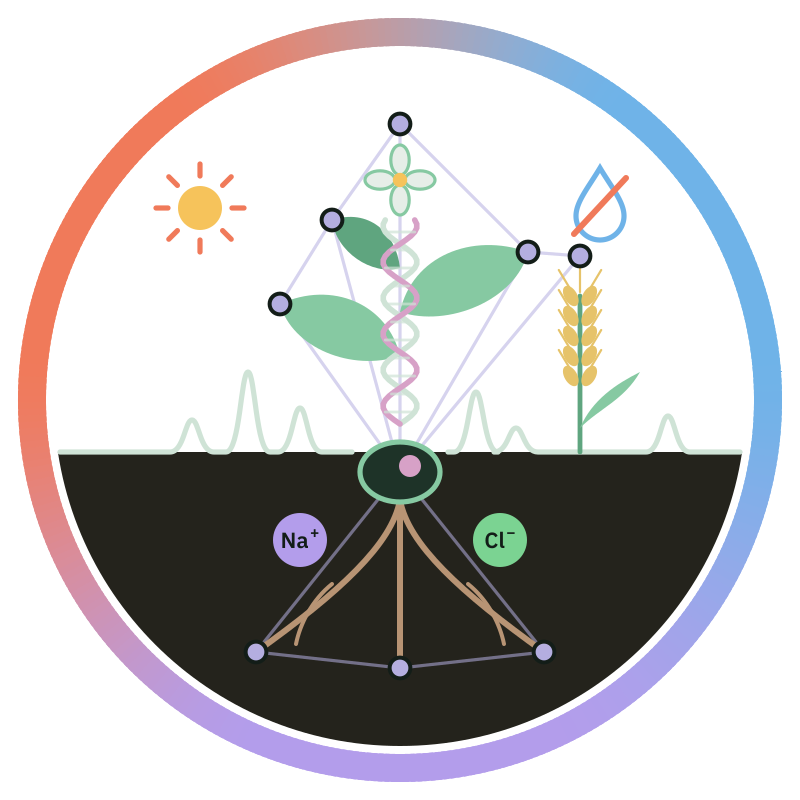
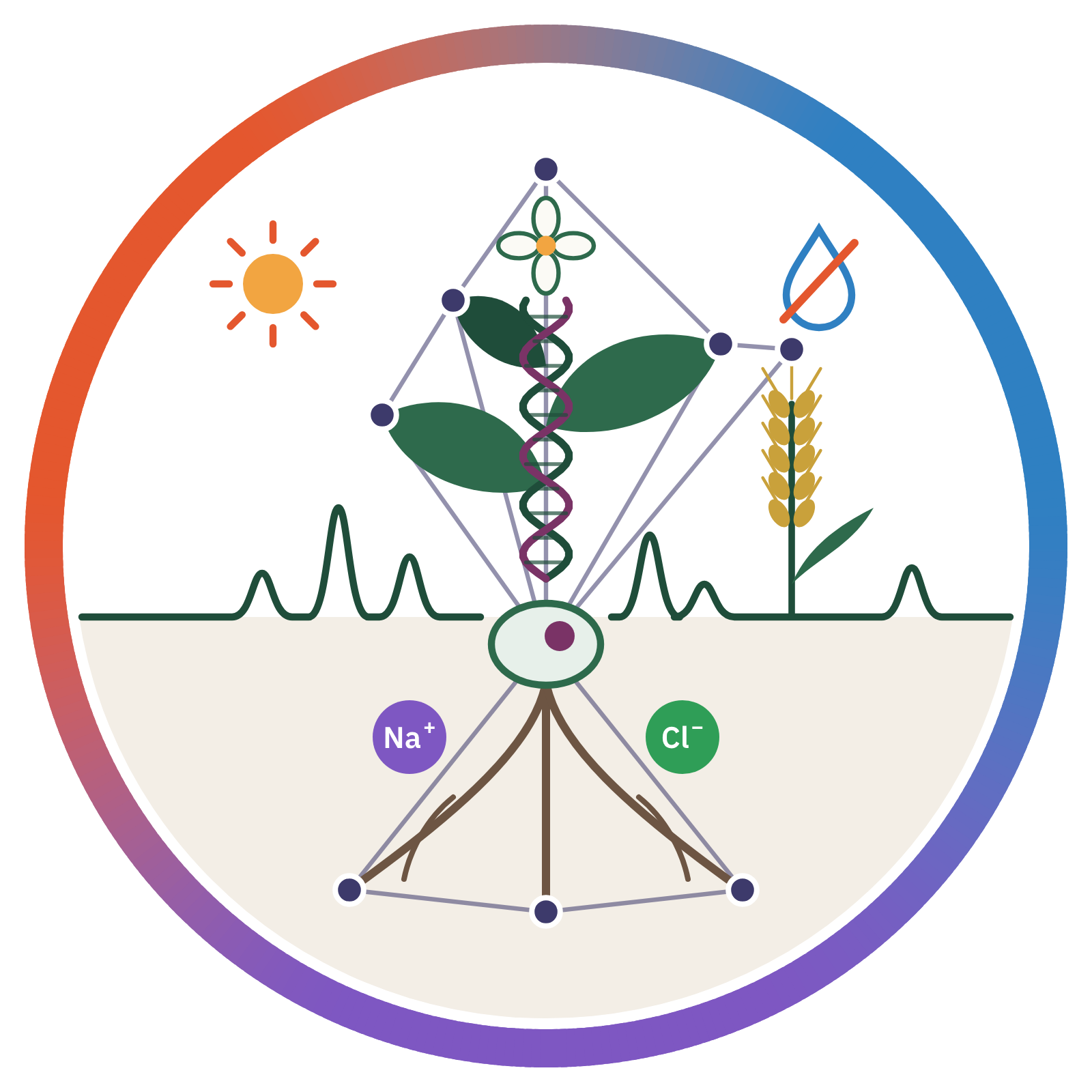
RESILORIS emblem

Kidanemaryam W. Reta

plant physiologist

  • Plant physiologist
  • Plant biochemist
  • Crop stress biology
  • Multi-omics integration
  • Predictive modeling
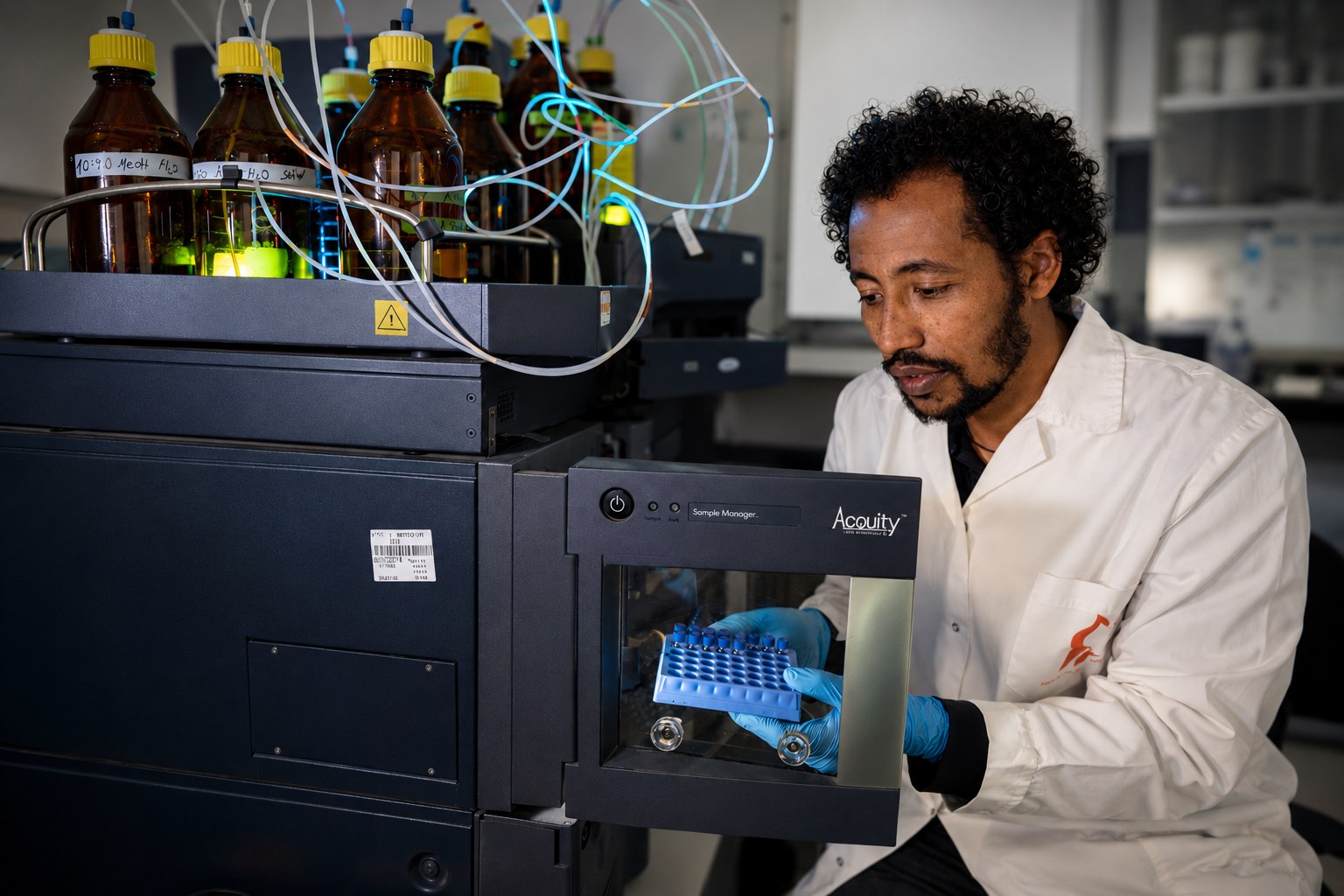
Loading samples into a UPLC system for metabolomics in the laboratory
Scroll

How crops respond to combined stress, from the cell to the field.

Portrait of Kidanemaryam W. Reta

Ben-Gurion University of the Negev

Be'er Sheva, Israel

kidane.et@gmail.com

About

I am a plant scientist with a PhD in plant metabolomics and a research focus on crop physiology, plant metabolism, and trait characterization under complex abiotic stress. My work asks how root system variation, ion partitioning, photosynthesis, water status, metabolism, gene expression, and phenology interact to shape stress resilience and crop productivity.

My doctoral research at Ben-Gurion University of the Negev examined responses of Vitis vinifera grafts to combined abiotic stress, integrating field, greenhouse, and semi-controlled experiments with metabolomics, ionomics, physiology, transcriptomics, phenomics, and advanced data analysis. I use gas exchange and chlorophyll fluorescence measurements, GC-MS/LC-MS metabolomics, ICP-OES ion profiling, root and shoot phenotyping, network analysis, and machine learning to identify stress-response thresholds and trait-performance relationships.

I am currently a postdoctoral researcher in plant metabolomics and physiology at Ben-Gurion University of the Negev, where I lead an OIV-funded project combining multi-year physiological phenotyping, UAV-based thermal sensing, metabolomics, and gene expression profiling to characterize varietal responses to heatwave stress. I am also developing AI-enabled predictive approaches that integrate biological datasets with climate information to forecast long-term varietal performance under future environmental scenarios.

Before my PhD, I worked in crop improvement and agronomy in Ethiopia, contributing to sorghum breeding, dryland production, genotype-by-environment analysis, seed systems, and the release of improved sorghum varieties. Across these roles, my research trajectory has moved from agronomy, seed biology, and quantitative breeding toward mechanistic plant physiology, systems biology, and data-driven crop resilience.

My broader interests include root-shoot interactions, carbon and ion regulation under stress, high-throughput phenotyping, digital agriculture, plant-soil interactions, and lab-to-field translation of physiological and metabolic traits for climate-resilient crop improvement.

Current research themes: crop stress physiology; grapevine responses to combined salinity, water deficit, and heatwave stress; rootstock-mediated stress tolerance; metabolomics and ionomics; UAV-based thermal phenotyping; network analysis; and climate-informed predictive modeling.
One connected research program

multi-omics of stress

Metabolomics, volatilomics, ionomics, transcriptomics, genomics and phenomics measured on the same plants and read together.

Explore this theme
thresholds and networks

Defining when plants shift from acclimation to a stress-response mode, using network inference and machine learning.

Explore this theme
rootstock resilience

How root system architecture, ion selectivity and root-shoot signalling shape scion performance and yield stability.

Explore this theme
combined stress in grapevine

Grafted Vitis vinifera under combined salinity, water deficit and heat, linked to phenology and agronomic performance.

Explore this theme
crop improvement by breeding

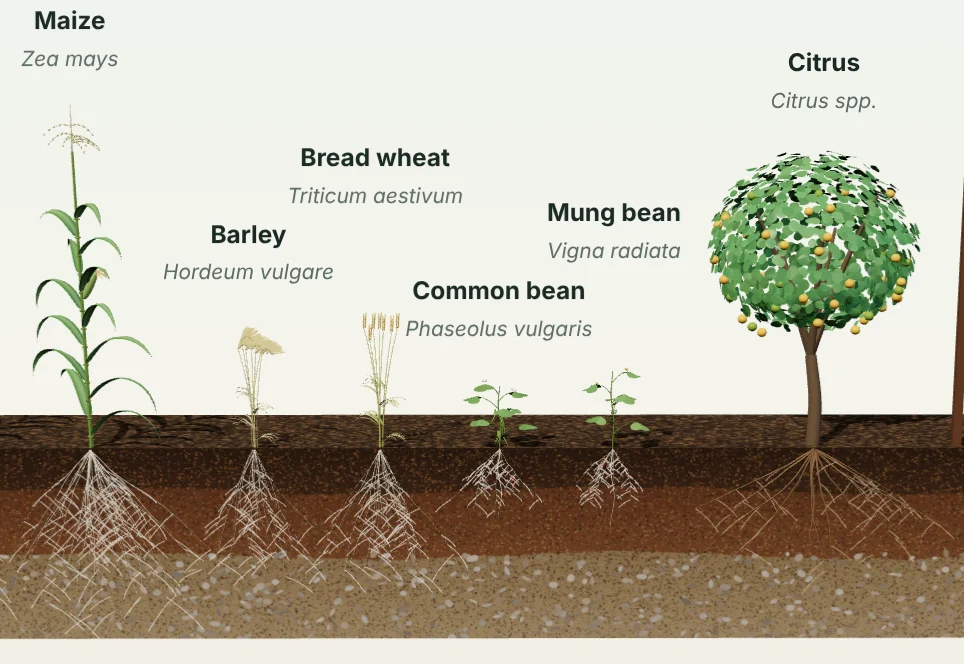
Sorghum breeding for dryland Ethiopia, multi-environment trials, and earlier work on maize, wheat, barley and haricot bean.

Explore this theme
climate-informed prediction

Multi-year phenotyping, UAV thermal sensing and climate data combined to predict varietal performance under heatwaves.

Explore this theme

News

Mar 07, 2026 New paper published in Plant Stress; Metabolic network homeostasis and antagonistic stress response drive rootstock-mediated tolerance to combined salinity and water-deficit in grapevine cv. Syrah DOI: 10.1016/j.stress.2026.101456
Nov 01, 2025 Started a postdoctoral research appointment in plant metabolomics and physiology at Ben-Gurion University of the Negev.
Jan 01, 2025 Received the AKIS Publication Prize at Ben-Gurion University of the Negev.
Jan 01, 2023 Awarded an International Organisation of Vine and Wine research grant for integrative metabolomics, physiology, UAV thermal phenotyping, and predictive modeling in Vitis vinifera under elevated temperature.

Selected publications

  1. Plant Stress
    Metabolic network homeostasis and antagonistic stress response drive rootstock-mediated tolerance to combined salinity and water-deficit in grapevine cv. Syrah
    K. Reta, Y. Lupo, N.S. Persi, and 3 more authors
    Plant Stress, 2026
  2. Plant Stress
    Modulation of phenology and agronomical performance of Syrah grafted on two rootstocks under combined salinity and water stress conditions: A three-year field study
    K. Reta, Y. Lupo, N. S. Persi, and 2 more authors
    Plant Stress, 2025
  3. Plant Stress
    Integrated metabolomics, ionomics, physiology, and network analysis reveals distinct salinity tipping point in Vitis vinifera cv. Syrah to enter a stress response mode
    K. Reta, N. Lazarovitch, and A. Fait
    Plant Stress, 2025
  4. Sci. Hortic.
    Canopy management practices in warm environment vineyards to improve grape yield and quality in a changing climate
    K. Reta, Y. Netzer, N. Lazarovitch, and 1 more author
    Scientia Horticulturae, 2025

Work with me

Choose the path that fits your interest.